
Menu
Wisdom Tooth Extraction
EXTRACTION OF IMPACTED WISDOM TEETH
Wisdom teeth, also known as third molars, are the last teeth to emerge in your mouth. They can become impacted when there is not enough space in the dental arch for them to erupt or when their eruption is blocked by another tooth.
Frequently Asked Questions
The short and clear answer to this question is no. Wisdom teeth often fail to fully erupt due to lack of space, which can lead to food getting trapped under the gum, causing infection and pain. These teeth can also crowd or damage adjacent teeth or their roots. Infections in this area may form cysts within the jawbone, causing bone resorption and potentially damaging the main nerve branches that provide sensation to the jaw, leading to more serious problems. Rarely, they can even contribute to the development of tooth-related tumors in neighboring areas.
However, asymptomatic wisdom teeth that appear clinically and radiographically healthy and are fully covered by bone may not require extraction, as long as they are monitored with annual radiographic check-ups. The decision to remove the tooth will ultimately be made by your dentist.
It is not wise to wait until your wisdom teeth start causing discomfort. Partially erupted teeth can eventually lead to problems such as pain while eating and difficulty swallowing. In such cases, consulting your dentist is the best course of action. Severe infections in this area can cause jaw stiffness (trismus) and, in rare cases, life-threatening infections. Regular check-ups with your dentist can help eliminate these risks.
Removing wisdom teeth at a younger age is generally easier because the roots are not fully developed, the surrounding bone is softer, and there is a lower risk of damaging nearby nerves and other structures. As you age, the roots fully develop and the jawbone becomes denser, making extraction of wisdom teeth more difficult.
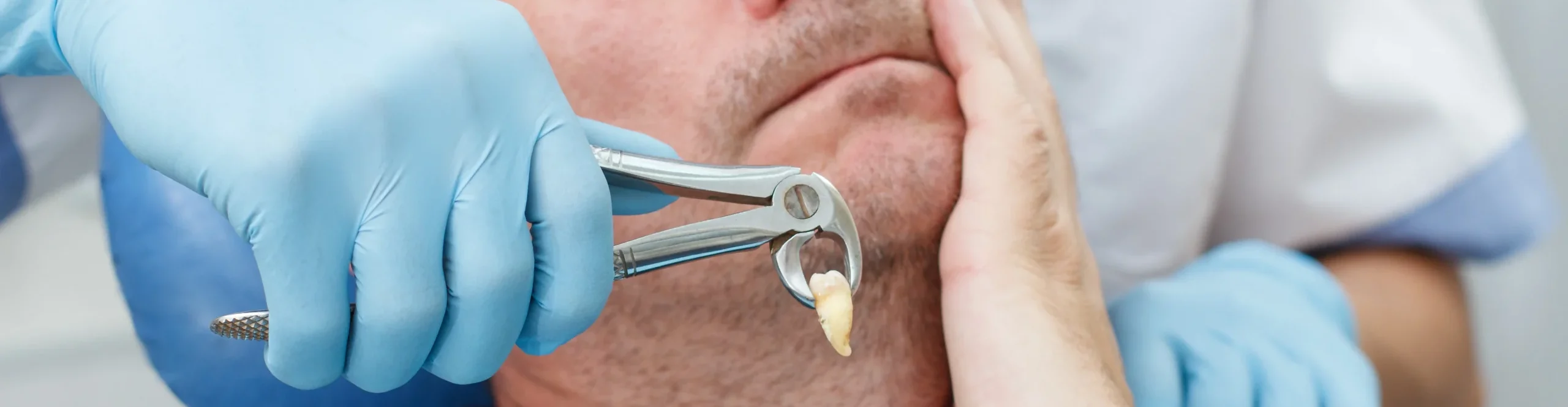
Most wisdom tooth extraction procedures are performed in clinics under local anesthesia. The difficulty of the procedure depends on the position of the tooth within the jawbone. An impacted wisdom tooth may require a more complex surgical procedure. More important than the difficulty level is the experience of your dentist with surgical procedures. Your dentist will provide you with detailed information about this.
After the surgery, you may experience mild discomforts such as swelling of the face, difficulty eating, limited mouth opening, and, in rare cases, bruising. These are all part of the normal healing process. Applying cold compresses can help reduce swelling, and medications prescribed by your dentist can help manage discomfort. You may be advised to modify your diet after surgery (avoiding hard or coarse foods, etc.) and gradually return to normal foods over time.