
Wisdom Teeth: Situations Requiring Extraction and the Treatment Process
Wisdom teeth are the last teeth to emerge in the mouth and typically appear in young adulthood. However, because they often lack sufficient space, they may remain impacted or erupt only partially. This can lead to a range of dental and oral health problems. Extracting wisdom teeth is a commonly used treatment to eliminate these issues. So, in which situations should wisdom teeth be removed, and how does the extraction process work? In this article, we will examine in detail the situations that require wisdom tooth extraction and the treatment process.
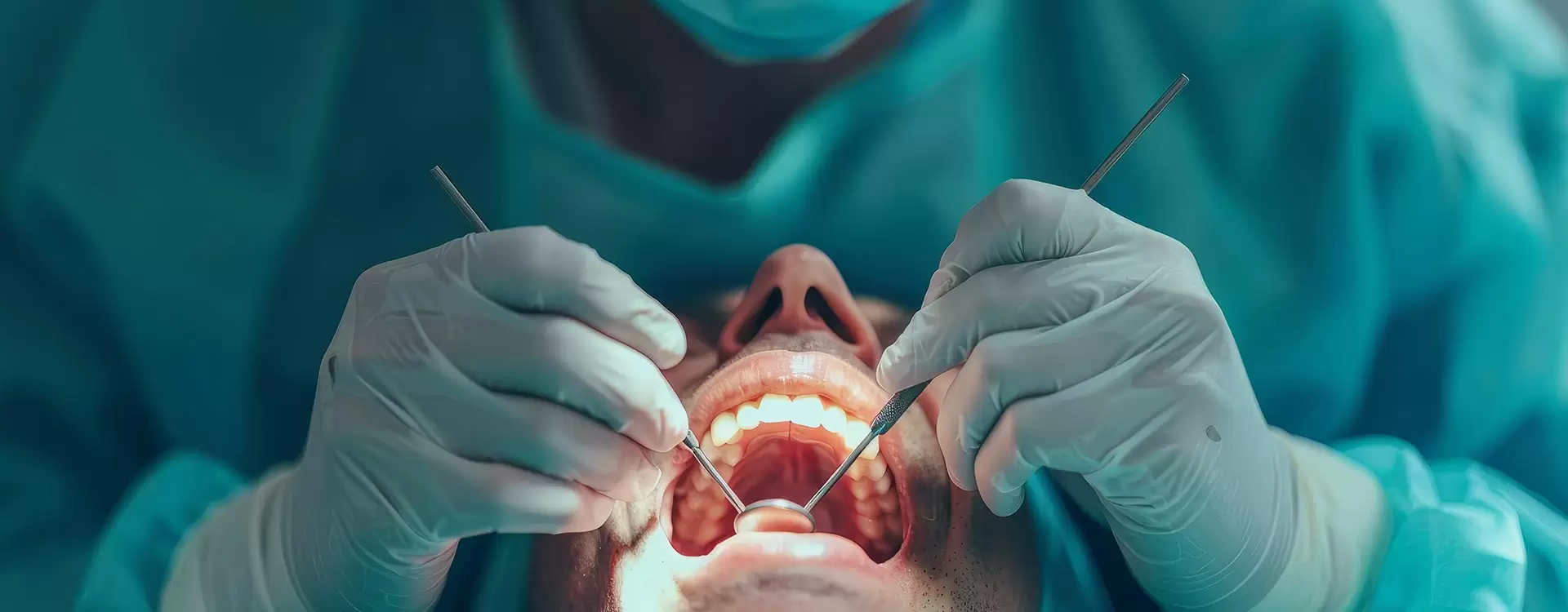
What Are Wisdom Teeth and Why Do They Cause Problems?
Wisdom teeth, also known as third molars, usually appear between the ages of 17 and 25. However, due to insufficient space in the jawbone, they may not erupt properly. During eruption, they may remain partially impacted in the gum tissue or become fully impacted within the jawbone. In such cases, wisdom teeth can lead to various issues.
Common Wisdom Tooth Problems:
Impacted Tooth: If the tooth is completely trapped in the jawbone and cannot erupt, it may cause pain, swelling, and infections.
Partially Impacted Tooth: When part of the tooth emerges while the rest remains under the gum, the area becomes exposed to bacteria, increasing the risk of infection.
Incorrect Angulation: Wisdom teeth may erupt at the wrong angle, pressing against neighboring teeth. This can cause crowding, pain, and shifting of teeth.
Gum Infections (Pericoronitis): Infections may develop in the gums surrounding wisdom teeth, leading to swelling, pain, and bad breath.
Situations Requiring Wisdom Tooth Extraction
Not every wisdom tooth needs to be extracted. However, your dentist may recommend removal in the following situations:
Pain and Infection: If impacted or partially impacted wisdom teeth cause persistent pain or infections, extraction may be necessary. Left untreated, infection can spread to the jawbone or adjacent teeth.
Pressure on Neighboring Teeth: Misaligned wisdom teeth may exert pressure on nearby teeth, causing discomfort, crowding, or shifting. Extraction may be required to preserve proper tooth alignment.
Jaw Cysts or Tumors: Impacted teeth can sometimes lead to cyst or tumor formation around them, potentially damaging the jawbone and requiring surgical removal.
Before Orthodontic Treatment: If orthodontic treatment is planned (such as braces), wisdom teeth may disrupt alignment. Removal is often advised before treatment begins.
Gum Problems: When wisdom teeth cause gum infections or remain in areas that are difficult to clean, extraction helps protect gum health.
The Wisdom Tooth Extraction Process
Wisdom tooth removal is typically performed under local anesthesia as a surgical procedure. The exact method depends on whether the tooth is impacted and its position in the jawbone.
Main steps include:
Examination and Planning: Your dentist takes X-rays to evaluate the tooth’s position and determine the most suitable extraction method.
Anesthesia: Local anesthesia is administered to ensure a pain-free procedure. In some cases, particularly for impacted teeth, sedation or general anesthesia may be used.
Tooth Removal: Non-impacted teeth can be extracted easily, while impacted teeth may require an incision in the gum and careful removal from the bone. Sometimes, the tooth is sectioned into smaller pieces for easier extraction.
Healing Process: Stitches may be placed after removal, and healing begins. Mild swelling and discomfort are common for the first few days. Your dentist will prescribe medications and provide aftercare instructions to aid recovery.
Recovery After Wisdom Tooth Extraction
Recovery varies from person to person but usually takes a few days to a week. Following these guidelines helps speed up healing:
Avoid applying pressure on the extraction site for the first 24 hours.
Use cold compresses to reduce swelling.
Stick to soft foods during the healing period.
Maintain oral hygiene and keep the area clean.
Take prescribed medications as directed and follow your dentist’s aftercare instructions.