
Ways to Achieve a Natural Smile with Dental Implants
Missing teeth can cause a variety of problems, both aesthetically and functionally. Difficulties with chewing, speech issues, and disruption of smile aesthetics can negatively impact quality of life. Today, however, dental implants make it possible to replace missing teeth with natural-looking and functional ones. Dental implants offer a revolutionary solution in dentistry, providing an alternative that closely resembles natural teeth in both appearance and durability. So, how can you achieve a natural smile with dental implants? Here’s what you need to know about dental implants.
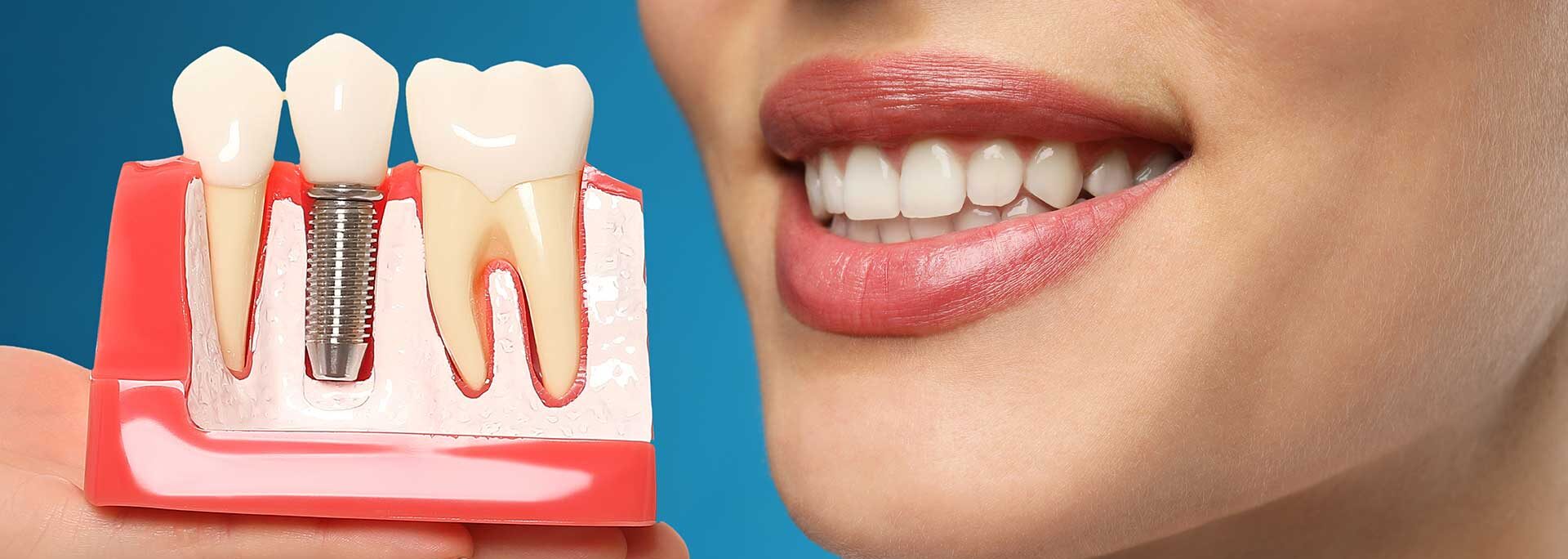
What Is a Dental Implant?
A dental implant is a titanium root placed into the jawbone to replace missing teeth. Artificial teeth are attached to the implant, providing the appearance and functionality of natural teeth. Thanks to their strong structure and integration with the jawbone, implants offer a long-lasting solution. Acting as a tooth root, they are much more durable and permanent compared to traditional dental prosthetics.
How Does the Dental Implant Process Work?
The dental implant process is customized according to each patient’s oral structure and generally includes the following steps:
Examination and Planning: The dentist evaluates your jaw and missing teeth using X-rays and 3D imaging to create a personalized treatment plan.
Implant Placement: The titanium implant is surgically inserted into the jawbone. This procedure is performed under local anesthesia, ensuring a pain-free experience.
Osseointegration (Implant Fusion): The implant gradually fuses with the jawbone over a few months. During this process, it integrates fully with the bone and begins to function as a natural tooth root.
Placement of the Prosthetic Tooth: Once the implant has integrated with the jawbone, a fixed prosthetic tooth is placed on top. This tooth looks and functions like a natural tooth.
Advantages of Dental Implants
Dental implants offer several benefits compared to other prosthetic solutions:
Natural Appearance and Functionality: Implants are considered the closest alternative to natural teeth, allowing for a fully natural-looking and functional smile.
Long-Lasting: With proper care, dental implants can last a lifetime and do not require replacement like other prosthetics.
Comfort and Stability: Implants are fixed in place, providing full chewing function without slipping, which ensures comfortable eating and speaking.
Prevents Jawbone Loss: Missing teeth can lead to bone resorption over time. Implants integrate with the jawbone, preventing bone loss and maintaining a healthy oral structure.
Who Is Suitable for Dental Implants?
Dental implants are suitable for anyone in good overall health with sufficient jawbone density to support the implant. Before placement, the dentist thoroughly examines the patient’s oral health and bone structure to determine suitability. For patients with insufficient bone volume, alternative methods such as bone grafting can be applied.
How to Care for Dental Implants
Proper maintenance is essential for the longevity of dental implants. Like natural teeth, implants should be brushed daily, flossed, and cared for according to your dentist’s instructions. Regular dental check-ups are also important to monitor the health of the implants.